
The 2025 New York Jets might look a lot different following Tuesday’s NFL trade deadline. Gang Green has had conversations about several key players on their 1-7 roster.
Outside of trading cornerback Michael Carter II to the Philadelphia Eagles for wide receiver John Metchie, the organization has remained patient with its current core of players thus far.
With less than 10 hours remaining until the league-wide deadline, there’s something Jets fans need to keep in mind: the balance between the value of draft picks and that of current players.
Known commodities vs. draft picks
There’s a difference between recklessly dumping quality players in a fire sale (similar to the Tennessee Titans’ recent moves) and moving expendable talent to recover lost draft capital.
That’s a distinction the Jets must determine as they field calls over the next few hours.
Across the league, the five most important positions of value are quarterback, wide receiver, left tackle, pass rusher (edge or interior), and cornerback. If a team has quality players at each of those positions, it stands a strong chance of competing at a high level.
So, when an organization has players of that caliber, it shouldn’t simply give them away.
For example, if the Jets were to hypothetically trade a player of Sauce Gardner’s caliber, they would still need to replace him with another All-Pro-level cornerback. There’s no guarantee that a drafted player would provide the same on-field impact.
A trade like that would only hurt the team’s overall value and force it to start over. New York isn’t going to trade Gardner, of course, but it’s an example of why a player at a position of value who is playing well should be coveted—not dealt.
In their current position, that reality must be a focal point for the Jets.
Jets’ deadline outlook
New York needs to determine the value of its players, especially those at top-tier positions. Some Jets fans might think the entire core is rotten because of the team’s inability to turn things around in recent years.
To those fans, the Williams brothers and Hall are not good enough to solve the franchise’s long-term concerns. Perhaps a second-, third- or fourth-round rookie could do better.
But there’s also a strong chance those draft selections won’t match the play or impact of any of the Jets’ current players. The draft, as always, is a gamble—part luck, part process, part scheme fit.
It’s easy to say the Jets should accumulate draft picks to jump-start a rebuild. But outside of the elder Williams, none of their key players are close to 30 years old. A trade, therefore, needs to bring back more of a sure thing than a roll of the dice.
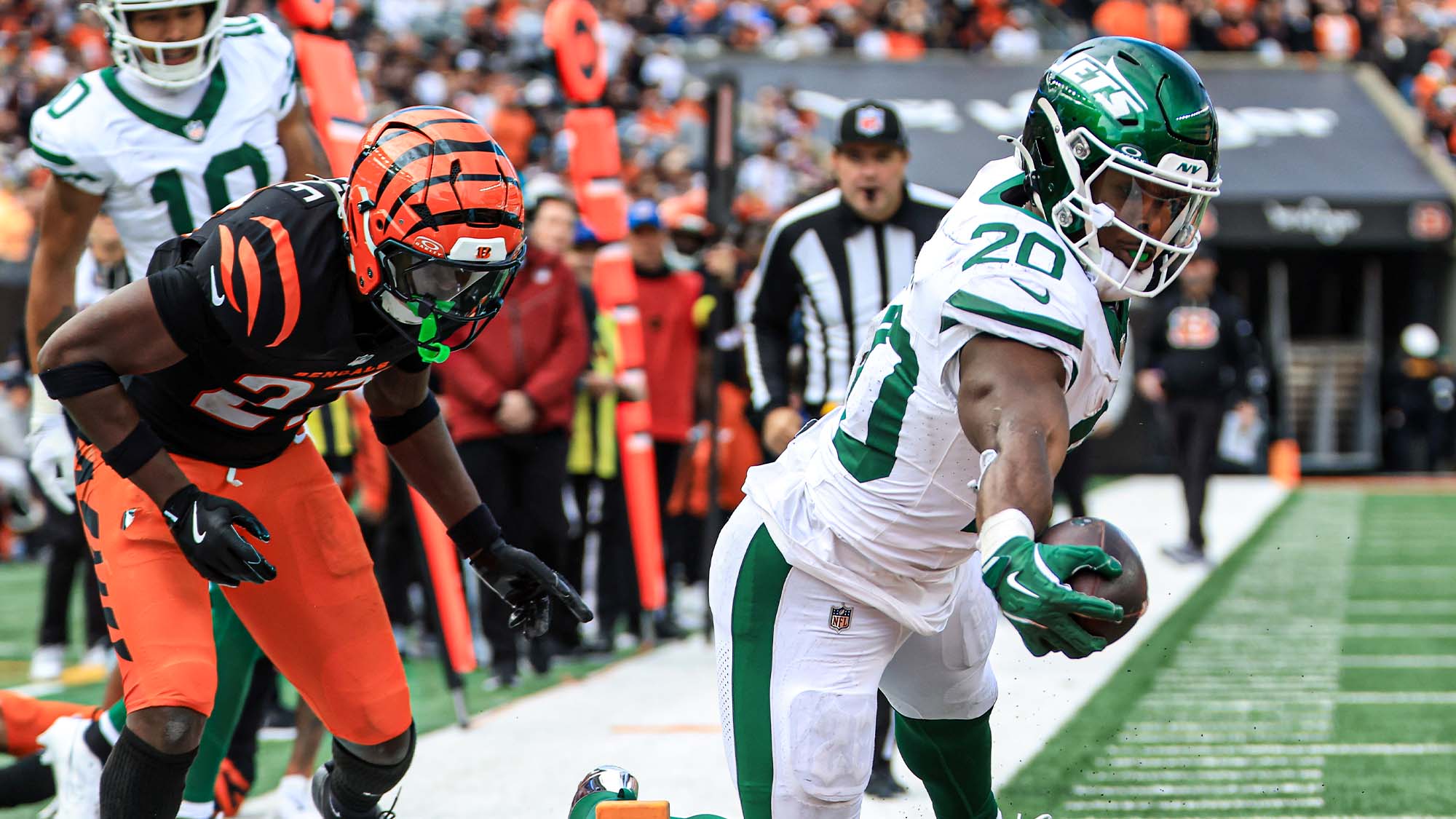
Add in the fact that Quinnen Williams plays a premium position, and that Hall is more than just a running back — he’s an offensive weapon — and the reality is clear: The Jets shouldn’t give away good players of high importance simply for the chance of acquiring even better talent.
That’s never a guarantee.
This added context means the Jets may not be as aggressive in selling off talent as many think. And that’s the right move if they don’t get compensation worthy of their players’ skill sets or positions.
