
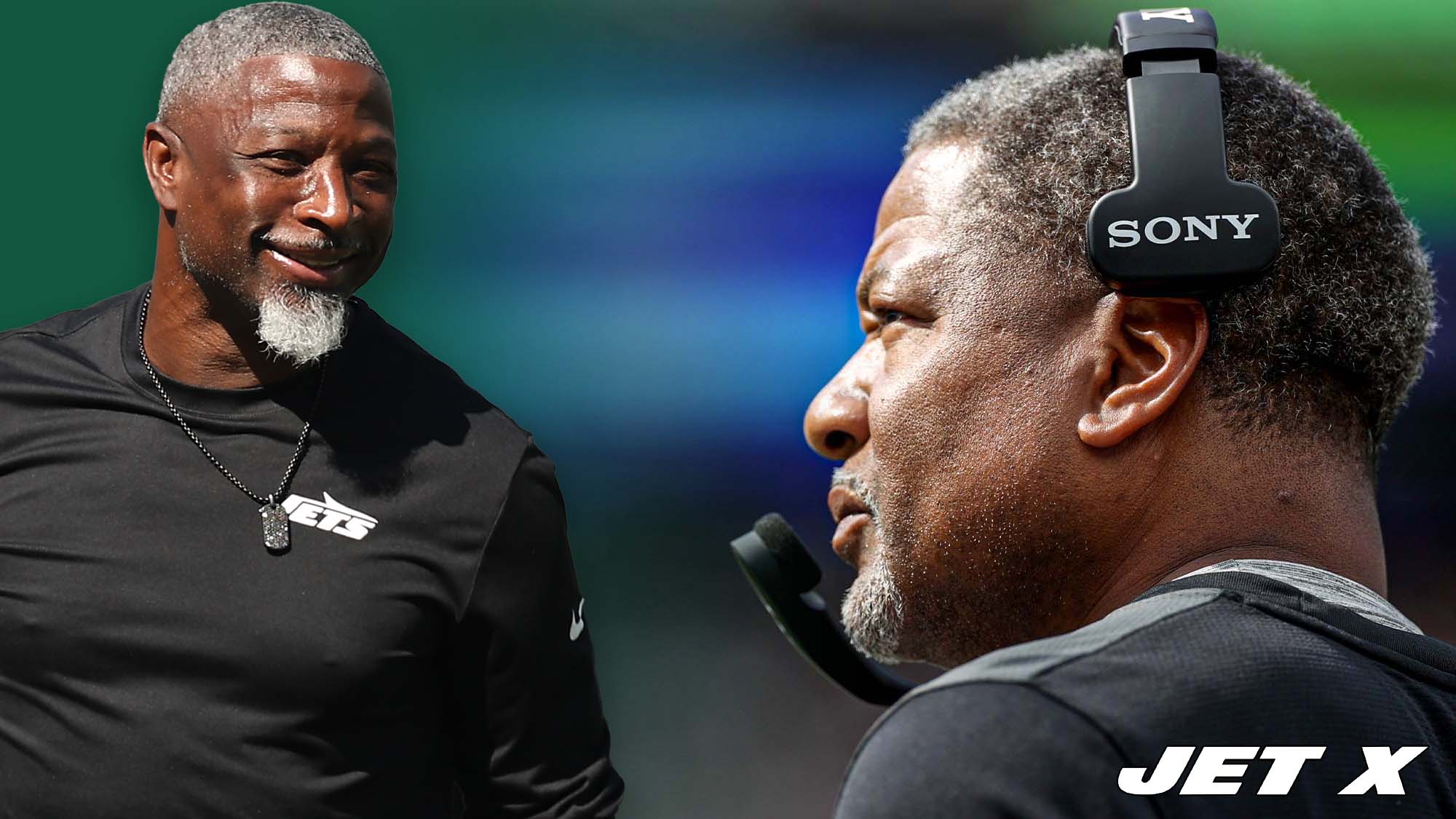
Less than 24 hours after assuring that defensive coordinator Steve Wilks was safe, New York Jets head coach Aaron Glenn turned around and fired the 56-year-old with only three weeks left in the 2025 season.
And it may have been a grave mistake.
Why Jets should’ve waited to dump Wilks
In a vacuum, firing Wilks is absolutely the correct move. Under his watch, the Jets’ defense has been a complete disgrace to the sport of American football. It isn’t a surprising outcome, as Wilks’ defenses have declined everywhere he’s gone.
It is also clear that Wilks is far from the most valued coach in the buildings he enters, considering he has now gone one-and-done at six consecutive jobs dating back to 2018.
While the Jets’ defense lacked talent, especially after trading Sauce Gardner and Quinnen Williams, Wilks’ individual issues were impossible to ignore. He was a predictable and stubborn play caller whose players appeared undisciplined and unprepared on a weekly basis. Many players regressed under his coaching.
The writing has been on the wall for months that Wilks needed to go. Dumping him with three games left, though, is something Glenn may live to regret.
Throughout Sunday’s loss in Duval County, the Jets witnessed firsthand what they missed out on by failing to secure late-season losses in 2020. Glenn and most other members of the current organization were not a part of that botched tanking effort, but Jets fans remember it all too well.
While Trevor Lawrence was delivering fadeaway 30-yard dimes on his way to six touchdowns and no turnovers while leading his 10-4 team one stop closer to a division title, the Jets were bumbling around with an undrafted rookie at quarterback and a 3-11 record, hurling toward their fourth stab at a hopeful franchise signal-caller since Jacksonville leap-frogged them for Lawrence.
As depressing as the situation was, Lawrence’s masterclass sent the Jets in the right direction. With their loss and wins by Washington and New Orleans, the Jets jumped two spots in the draft order from No. 7 to No. 5. They are just one game back of the No. 1 pick with an ideal strength-of-schedule tiebreaker setup.
How did the Jets respond to this stroke of good fortune? They got rid of the guy who was doing a fantastic job of ensuring the Jets could finish the journey they squandered five years ago, the first domino that led them to the situation they found themselves in on Sunday: Getting embarrassed by the very quarterback they fumbled because lame-duck players and a lame-duck coach on an 0-13 team decided to win in front of zero fans in Los Angeles.
Now, the Jets are in danger of botching their future once more because they are focusing on beating Tyler Shough and the 4-10 Saints instead of staying the course for the future.
Some people will counter with an argument that goes along the lines of, “Coaches and players don’t care about picks; they want to win!”
Well… the Jets’ trade deadline actions suggest otherwise. Shipping off their two best players for future draft picks that extend two years into the future does not exactly suggest that winning games in 2025 was their priority. Sure, Glenn isn’t the GM, but those moves don’t happen without him signing off on the vision. He and general manager Darren Mougey were brought in together to oversee a shared plan.
While coaches and players will never deliberately try to lose games, there are subtle ways for an organization to push the tank forward, with the Jets’ deadline trades being a prominent example. Keeping Wilks would have been a subtle way to support that effort without making it obvious.
Instead, Glenn jumped the gun. Now, his team will have a renewed spark—and potentially improved play-calling—going into New Orleans against a hot but still immensely flawed Saints team that New York could absolutely beat with the jolt of energy from firing Wilks.
Glenn has known he will return in 2026 since the trade deadline. He knows this franchise is building for the long haul, and that his roster does not have the quarterback it needs to compete. Why is he being so short-sighted as to potentially sacrifice the future of the franchise for the sake of winning games that carry little value?
While late-season wins would certainly hold value for Glenn as he aims to develop as a coach and strengthen his culture, the Jets’ roster has become so barren via injuries that we have ventured into the territory where any New York victories down the stretch would be as close to meaningless as you can get.
On Sunday, the Jets did not have Garrett Wilson, Azareye’h Thomas, Francisco Mauigoa, or Mason Taylor on the field. Thomas is out for the year, and it’s looking likely that Wilson will also not return. Taylor and Mauigoa’s statuses are up in the air.
There would be no value to be found in wins led by a collection of roster-bubble players and lame-duck veterans (much like the ones earned by the late-2020 Jets). When the Jets were winning in the middle of the season, it carried some weight, since many of their important long-term players, like Thomas, Mauigoa, and Taylor, were helping to lead the success. Now, by firing Wilks while the team’s young core is ravaged, Glenn is trying to facilitate late-season wins with a roster full of guys who probably have no future with the team.
The other non-tank-related problem with firing Wilks in December is the message that it sends to future coaching candidates. Glenn has now demonstrated that he is willing to fire a coordinator mid-season in his first year with the team.
Sure, we as outsiders know that the firing was justified, but other coaches around the NFL will look at the Jets’ depleted roster and view Wilks’ firing as premature. It makes the Jets’ defensive coordinator job less appealing moving forward. If Glenn had just stuck it out for three more games, potential candidate would be less wary of Glenn lacking patience.
It’s nice that Glenn recognized Wilks was a liability and pulled the trigger. It’s also nice that he is trying to reinvigorate some energy into a locker room that seemed to be giving up.
However, it’s troubling that Glenn did not have the foresight to recognize why riding it out with Wilks for just three more all-but-meaningless games would have been the best move for the Jets’ future.
