
There weren’t many encouraging aspects of the New York Jets’ 3-14 season in 2025.
However, second-round rookie tight end Mason Taylor showed promise despite dealing with a messy situation at quarterback.
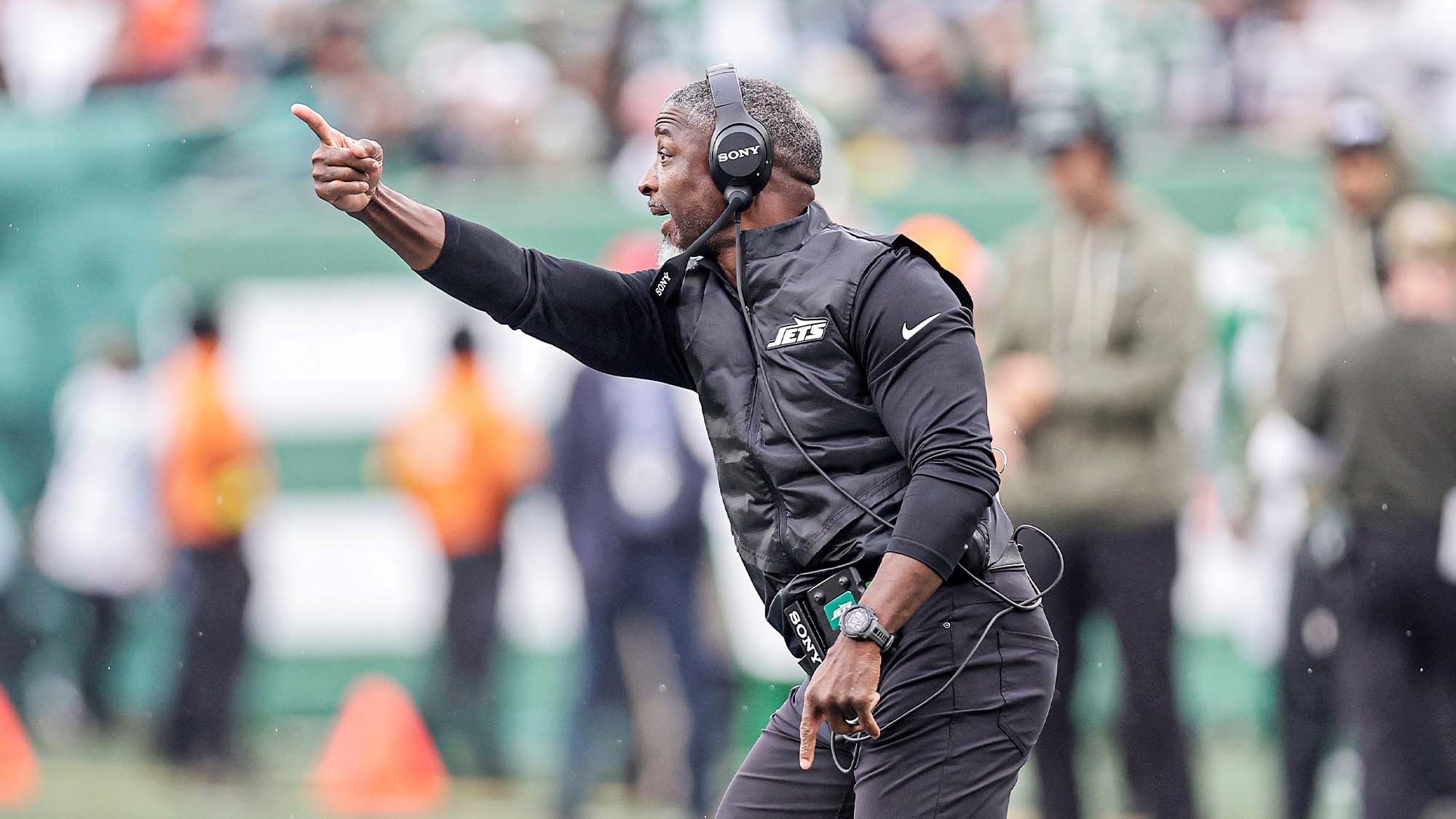
Speaking to reporters at the NFL’s annual owners meetings, Jets head coach Aaron Glenn was asked to name a player he believes will make a leap in 2026, and he listed Taylor.
“I think Mason [Taylor] is going to have a hell of a year,” Glenn responded.
Taylor was selected by the Jets in the second round of the 2025 NFL draft after three seasons at LSU.
Throughout his rookie season, the 21-year-old caught 44 of his 65 targets for 369 yards and a touchdown in 13 games (11 starts).
As crazy as it sounds, Taylor ultimately finished second on the team in receiving yards, trailing only Garrett Wilson’s 396. Yes, folks, the Jets’ pass-catching corps (and quarterback play) was that bad.
While the Jets’ poor quarterback play prevented Taylor from racking up yards or touchdowns, he impressed with his ability to make difficult catches. Taylor snagged 11 of his 14 contested targets, a 78.6% contested-catch rate, which trailed only George Kittle among qualified tight ends (min. 10 contested targets).
The LSU product also held his own in the blocking game, earning a serviceable 63.1 run-blocking grade from Pro Football Focus. It placed Taylor 26th out of 61 qualified tight ends (min. 200 run-blocking snaps).
Going into 2026, the Jets are expecting even bigger things from the former Tigers star.
Will Taylor take a second-year leap?
Taylor’s production will largely hinge on New York’s quarterback play in his second NFL season.
When the ball found Taylor, he made plays. The issue, though, is that Gang Green’s signal-callers were unable to consistently distribute the ball.
New York finished 29th in completion percentage on throws with at least three yards of separation. The team is hoping that veteran quarterback Geno Smith, who owns an impressive 68.2% completion percentage over the past four seasons, can do a better job of hitting receivers who are open.
Taylor must also work on eliminating some drops from his game. He was credited with five drops in his rookie year, according to PFF. His 10.2% drop rate was the fifth-worst among tight ends with at least 50 targets.
There’s legitimate optimism surrounding Taylor after a strong rookie year, but his volume of production will ultimately come down to the play he gets at quarterback. Taylor can also stand to improve in some areas, namely blocking and drops.
Still only 21 years old, though, the arrow is pointing up for New York’s penciled-in TE1. If he receives decent quarterbacking, his numbers could surprise a lot of people around the NFL.
