
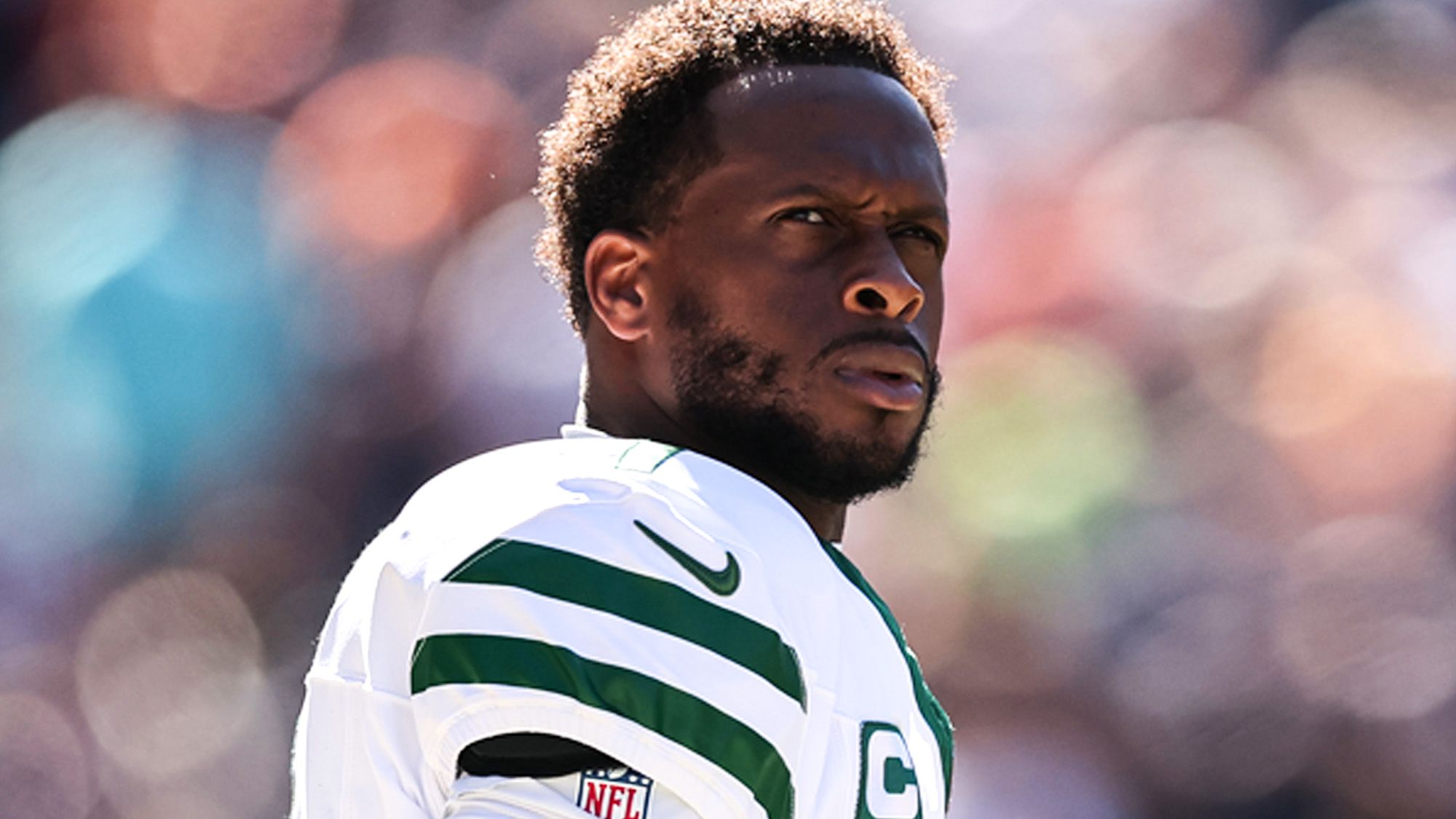
“Man, what could the New York Jets do with better quarterback play?”
For years, that was a popular topic of conversation among the team’s fanbase and even in the national media. But after four games of the 2026 season and Geno Smith’s return to the Big Apple, quarterback play hasn’t been the Jets’ problem for once.
Smith leads 26 qualified quarterbacks (minimum 100 dropbacks) in completion percentage (72.6%) and has a 109.0 passer rating, the fourth-highest among QBs who have started every game. He has thrown five touchdown passes without an interception, while the Jets also rank 13th in offensive success rate, after finishing with the league’s fourth-worst mark last season.
The overarching takeaway is that the Jets have a quarterback who can actually throw the ball. Yes, that is a very broad statement, but the Jets failed to reach even 60 passing yards in four games last season. Moving from the combination of Justin Fields, Tyrod Taylor, and Brady Cook to Geno Smith, a legitimate pocket passer, is a substantial upgrade.
However, the Jets should still expect more improvement across the offense. Entering the year, the idea of the Jets being even a top-20 offense excited some folks. With Smith’s strong start, though, it’s time to raise expectations for the offense and the passing game.
Smith needs more passing opportunities
As our own Michael Nania dissected, the Jets’ pass rate over expected currently sits at -2.0%, per NFEIo. In layman’s terms, the Jets are passing the ball less often than expected when accounting for game situations like down, distance, and so forth. Meanwhile, they have struggled to run the ball, averaging 3.4 yards per carry, which ranks 30th in the league.
Their passing game, though, ranks 17th with 6.3 net yards per attempt.
Those numbers indicate that Frank Reich should give Smith more passing opportunities. Despite leading qualified QBs in completion rate, he ranks 18th in attempts (117).
This year’s numbers clearly show Smith could handle more responsibility. If the Jets’ record were based on the QB’s performance, they’d arguably be 3-1 right now. Aside from Sunday’s loss to the Chicago Bears, there is a case to be made that he played well enough for the Jets to win each of their first three games.
So far, Reich has been an interesting study. In Weeks 1 and 3, he looked like a well-adjusted, innovative offensive mind, while in Weeks 2 and 4, massive questions arose about his play-calling approach. At the very least, he has adapted at points, but consistency will be key for the 64-year-old.
That carries over to personnel choices, too. Against the Lions in Week 3, the Jets continued to show their effectiveness with multiple tight end sets, gaining 188 yards and scoring two touchdowns on 22 plays with more than one TE on the field.
Arguably the Jets’ best overall offensive performance this season came in Week 1, when they used heavy packages at a very high rate. It’s become obvious that those sets have worked for the Jets, especially with the team’s injuries at tight end. It’s time for Reich to tap that well more consistently.
Smith hasn’t been perfect, but he’s certainly played well enough for the Jets to succeed. One of the main issues is his tendency to hold onto the ball too long. He is currently averaging 3.02 seconds to throw, his highest mark as a starter since 2014. That has led to a few too many sacks.
Overall, Smith’s start to the year has been encouraging, and it should raise expectations for the Jets’ offense as a whole. It starts with Reich, though. Smith has earned more opportunities. Gang Green’s rushing game hasn’t met expectations so far, while Smith’s accuracy and passing ability have exceeded them.
For the first time in a while, the Jets have a QB with a legitimate arm, and they need to use it more often.
