
Four days ago, we highlighted the current favorites to be selected by the New York Jets with their two first-round picks in the 2026 NFL draft, according to the consensus mock draft at NFL Mock Draft Database.
At No. 2, the current favorite to be selected by New York is Ohio State linebacker/edge rusher Arvell Reese, garnering 66% of predictions in the site’s database as of Jan. 28.
With the 16th overall pick, the leader in the clubhouse is USC wide receiver Makai Lemon, albeit with just 34% of the pie.
But who is the runner-up at each slot? It’s a question worth asking, as in most cases, an NFL team is far from guaranteed to select the player that the consensus expects them to. Unless a team is selecting a quarterback first overall, we should usually expect them to select someone who is not the consensus favorite to be their pick.
Simply put, the field is typically more likely than the favorite when it comes to predicting the NFL draft. With that in mind… who might the Jets turn to at Nos. 2 and 16 if they do not select Reese or Lemon?
Well, at No. 2, the current runner-up to Reese in the consensus mock draft is Miami edge rusher Rueben Bain Jr., collecting 23% of the votes. A distant third is Ohio State safety Caleb Downs (7%), while Alabama quarterback Ty Simpson comes in fourth (3%).
It is fascinating that Texas Tech edge rusher David Bailey and Ohio State wide receiver Carnell Tate are not receiving more buzz for New York at No. 2 overall. Based on our analysis, both players have profiles that offer high likelihoods of stardom in the NFL. Don’t be surprised if one or both players gain steam as an option for the Jets at No. 2 over the next few months.
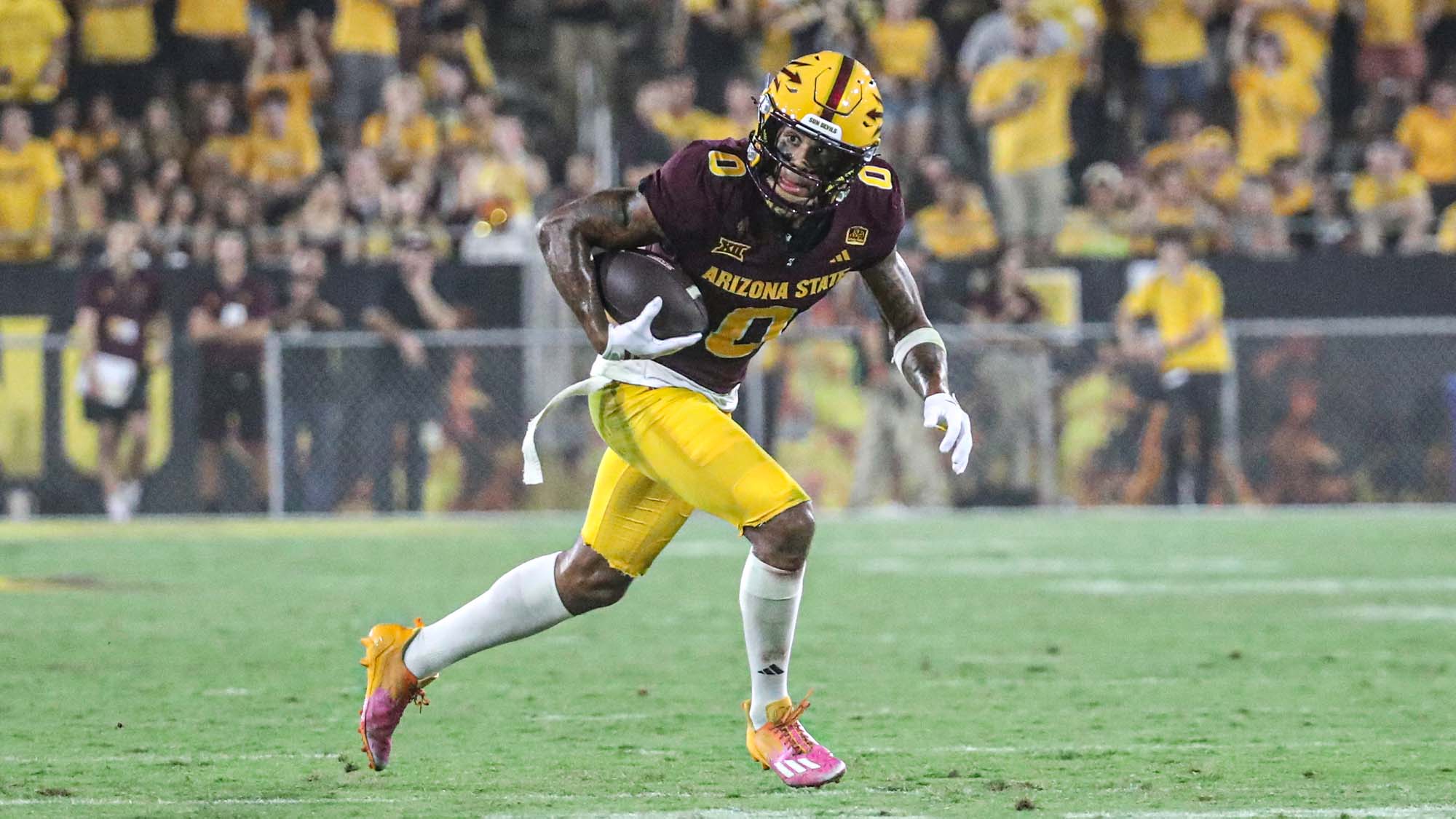
At No. 16, the runner-up to Lemon is Arizona State wide receiver Jordyn Tyson, collecting 13% of the votes. Tyson recently featured in our list of “do not draft” prospects for New York in the first round, as his injury history and underwhelming production in 2025 are red flags.
After Tyson is Tennessee cornerback Jermod Tyson (7%) and Clemson defensive lineman Peter Woods (7%), with a whopping 27% of the vote going to various other prospects.
While prognosticators are split on exactly which prospect the Jets will select at each slot (as you would expect on Jan. 28), one thing is clear: many people agree on which position the Jets will target with their respective first-rounders. At No. 2, the edge rusher position is heavily favored, while at No. 16, wide receiver seems to be the preference, although a defensive player cannot be ruled out.
Draft season has arrived: Should Jets fans trust the team more than their own predictions?
With the Senior Bowl underway in Mobile (where Jets X-Factor’s Dom Cutri is on the scene), draft season is officially in full swing. While the Jets’ coaching staff might be a sinking ship, at least fans can divert their eyes from the confusing mess in Florham Park and focus on the yearly joyride that is the NFL draft.
The process of evaluating players, making predictions, and crafting mock drafts is always one of the most compelling parts of the football calendar for anyone who loves the sport. You can rest assured that those of us burdened with watching the New York Jets play football will be diving headfirst into this year’s draft to try and devise a conceivable path for this franchise to pull itself out of the doldrums.
Being a Jets fan is not for the faint of heart. Neither is playing for them. In this year’s draft, the franchise will do its best to find players with the mental makeup to handle the weighty expectations that come with a 15-year playoff drought in the nation’s largest media market.
Should Jets fans trust the team’s current regime to properly identify and develop those players? That’s a debate for another day, but we all know this: The fans themselves will spend the next three months pouring their hearts into film studies, combine data analysis, and mock drafts.
Looking back over the past decade-plus, it’s a good bet that the majority of Jets fans have devised plans that would have yielded better results for the franchise than the ones that New York’s general managers ultimately decided on. After all, you cannot get much worse than 15 straight years out of the playoffs, with just one of those seasons yielding an above-.500 record.
For the fans’ sake, let’s hope they are no longer better at predicting the draft than the Jets’ decision-makers. It’s worth noting that, as much as the team struggled in 2025, general manager Darren Mougey seemed to do a solid job with his debut draft class, netting players like PWFA All-Rookie tackle Armand Membou, tight end Mason Taylor, and cornerback Azareye’h Thomas.
If the Jets are to have any hope of competing in 2026, coming off a 3-14 season and led by a seemingly rudderless coaching staff, they must accrue a franchise-altering haul of talent in this year’s draft, similar to notorious classes like the 2017 Saints (three Pro Bowlers) or the 2023 Lions (four). Coincidentally enough, Aaron Glenn contributed to developing both of those star-studded classes.
Can Glenn contribute to a third franchise-altering draft, this time as the head of the operation?
Most Jets fans will offer the same answer to that question, but they can all agree that they would love to be proven wrong.
