
Aside from the social media clips of rookies putting pen to paper, most NFL fans rarely pay attention to their favorite team signing its draft class. Mostly, it feels like a foregone conclusion, as it should.
However, in recent years, issues with rookie contracts have led to holdouts into the summer, most notably the situation of first-round defensive lineman Shemar Stewart with the Cincinnati Bengals last year.
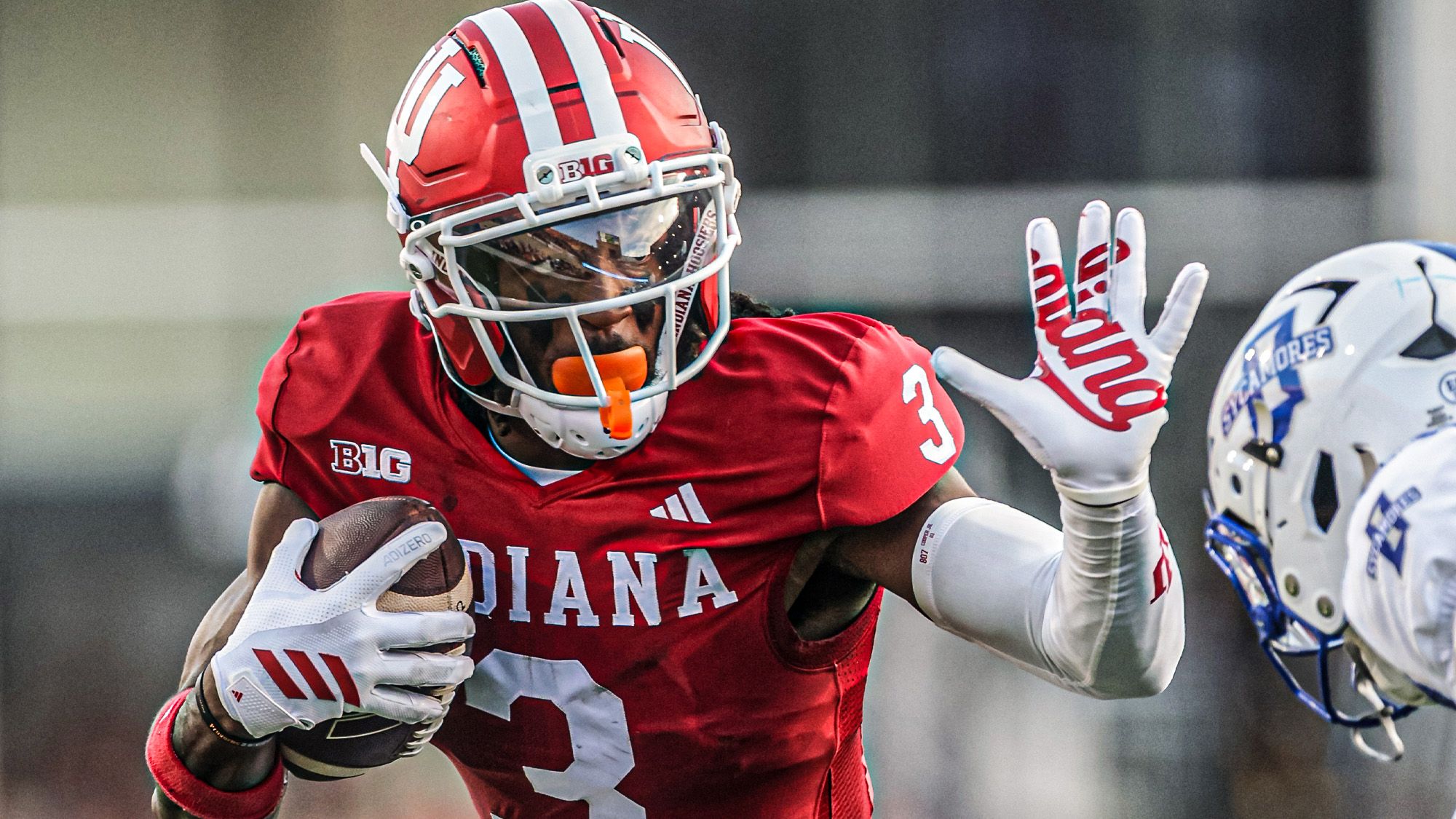
Six of the Jets’ eight picks from April’s draft have signed their rookie deals with the team. First-round wide receiver Omar Cooper Jr. and defensive lineman Darrell Jackson Jr. are the lone exceptions.
Under the NFL’s rookie wage system, first-year contracts follow a preset salary structure tied to draft position, which limits negotiations. In other words, once a player is selected, the financial framework of the deal is mostly in place. Certain language in the contract can be negotiated, leading to disputes such as Stewart’s, but these are almost always resolved.
There is no reason whatsoever to believe that the Jets won’t get a deal done with Cooper Jr. or Jackson Jr. Sometimes, rookie deals simply take longer than others to get done. Following last year’s draft, there was a similar situation with second-round tight end Mason Taylor.
Cooper Jr. and Jackson Jr. are each expected to contribute immediately in their respective rookie campaigns. There are high expectations for the Indiana wide receiver, whom the team traded up for, to emerge as Gang Green’s WR2 behind Garrett Wilson.
On the other hand, Jackson Jr., the Jets’ first Day 3 pick in the draft, should contribute as a rotational defensive lineman at both DT and DE, with Aaron Glenn describing him as a “big end“.
Overall, fans shouldn’t fret at all about the situation. If this drags until training camp, it will become something to monitor. However, with OTAs beginning on Wednesday, it is likely that both players will be signed sooner than later.
